
The number of Australians working from home remains almost double the pre-COVID-19 figure and women are more likely want to expand the arrangement, according to the latest ABS data on how households are faring during the pandemic.
Some 41% of surveyed workers say they worked from home at least once a week in February, compared with 24% before COVID-19 restrictions began in March last year.
Almost half of participants say they expect the amount of work from home to remain the same (47%), with 11% expecting a decrease and 8% expecting it to rise.
And though 42% overall would like it to remain the same, 17% of women say they want to increase their working from home, compared with 11% of men.
Want to learn more? Take a look through our latest updates
The Fair Work Commission has confirmed significant changes, including an interim pay increase for eligible disability home care workers from 1 December 2026 and a new classification structure from 1 October 2027.
These changes will have important implications for workforce planning, remuneration and compliance.
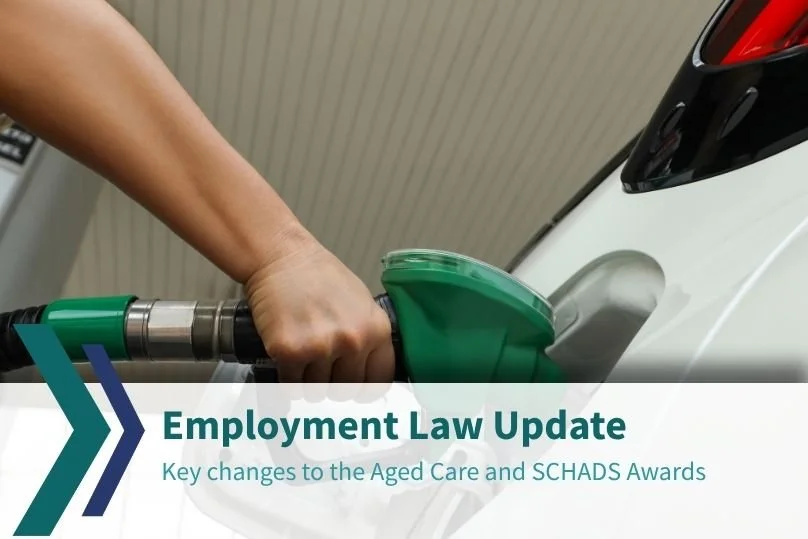
The vehicle allowance under the Aged Care Award and the Social, Community, Home Care and Disability Services (SCHCADS) Award has temporarily increased from $1.01 to $1.05 per km. This increase applies for 6 months from the first full pay period on or after 1 September 2026.
We are pleased to announce the appointment of Mr Peter Smith as Chief Executive Officer of Catholic Employment Relations Limited, effective 7 April 2026. Peter will assume the role of Authorised Principal and join the Board of Catholic Employment Relations Limited on 26 May 2026.
A Practical Guide for Employers. Employers in all industries are grappling with the challenge of a new technology that is fundamentally changing the way work is performed and how resources are allocated.

By understanding the legal and pastoral dimensions of Catholic education, CER assists schools and dioceses to manage employment matters confidently, lawfully and in a manner consistent with the mission of the Church.

The Fair Work Commission’s 2025 Annual Wage Review has increased the National Minimum Wage and modern award minimum rates by 3.5%. Employers must check the updated Modern Awards Pay Database, review pay rates and update payroll systems.

NSW’s new Portable Long Service Leave scheme for the Community Services Sector starts 1 July 2025, allowing workers to accrue long service leave across different employers. Employers must register within one month of commencement, and employees can qualify for leave after 7 years of service in the sector.


From 26 August 2024, changes to the definition of “employee” will affect how independent contractors are classified. The key change reinstates the multi-factorial test, requiring employers to consider the overall substance of the working relationship, not just the contract terms. This applies to all current and future relationships.

Starting August 26, 2024, employees in Australia will have a new legal right to disconnect from work-related contact outside of working hours. Under Section 333M of the Fair Work Act 2009, employees can refuse to respond to after-hours messages from employers. This change is aimed at improving work-life balance. Learn how these new rights will impact your organisation.